

webflow pricing is one of the most talked-about topics among people who want to build modern websites without heavy coding. If you’re planning to create a website, portfolio, blog, or online store, understanding webflow pricing can help you choose the right plan and avoid confusion later.
In simple words, Webflow is a website builder that combines design, hosting, and content management in one place. However, its pricing structure can feel a bit tricky at first glance. Don’t worry—this guide will break everything down in a clear and friendly way.
What Is Webflow and Why Its Pricing Matters
Webflow is a modern platform that allows designers, developers, and beginners to build professional websites visually. Instead of writing a lot of code, you can design a site using tools that look similar to graphic design software.
Why does webflow pricing matter so much? Because the platform offers several types of plans, each designed for different needs such as:
- Personal websites
- Blogs and content sites
- Business or marketing websites
- Online stores
- Teams and agencies
Choosing the right plan helps you save money and get the features you actually need.
Understanding the Structure of Webflow Pricing
Before diving into specific plans, it’s important to understand that webflow pricing is divided into three main categories:
- Site Plans – For hosting and publishing your website.
- Workspace Plans – For collaboration and team management.
- Add-ons – Extra tools you can purchase if needed.
This structure allows users to scale their projects easily. For example, a beginner might start with a free plan, while a growing business may upgrade later.
Visual Overview of Webflow Pricing Plans

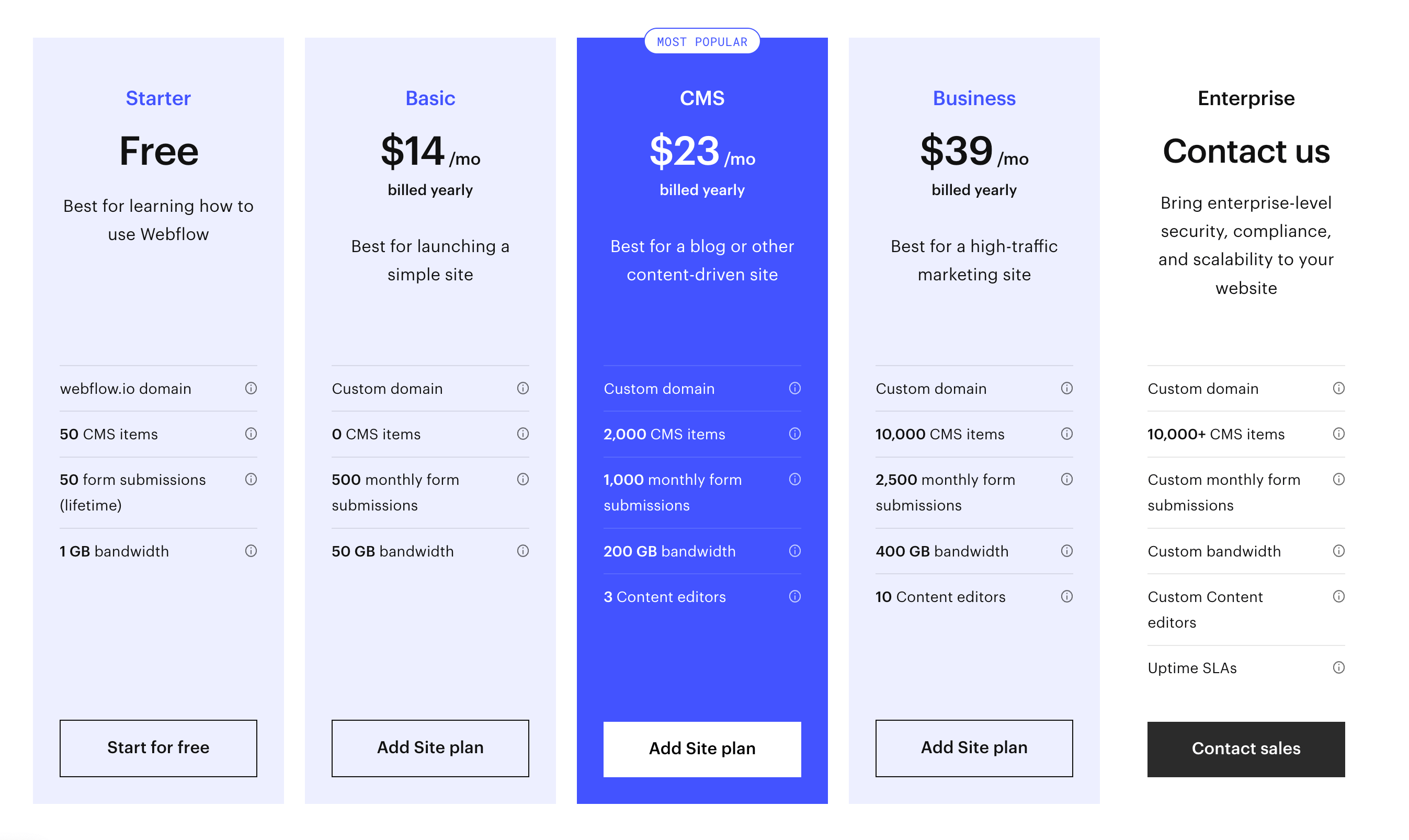

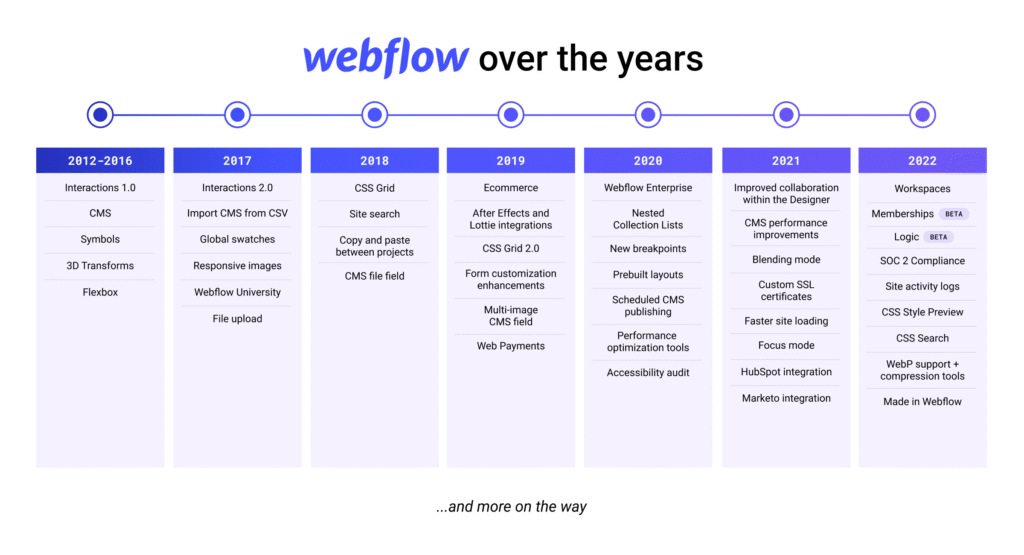
The images above show how Webflow displays its plan options and pricing structure on its platform. These plans include free options as well as advanced solutions for large websites.
Webflow Pricing for Site Plans
Site plans are the most important part of webflow pricing because they allow you to publish your website on a custom domain and use hosting features.
Here are the common site plans available.
Starter Plan (Free)
The Starter plan is perfect for beginners who want to explore Webflow.
Key features:
- Free to use
- Webflow subdomain (example.webflow.io)
- Limited CMS features
- Ideal for learning and testing
This plan allows users to understand how Webflow works before upgrading.
Basic Plan
The Basic plan is usually used for simple websites such as landing pages.
Main benefits:
- Custom domain connection
- No Webflow branding
- Good for small websites
- Affordable monthly cost
This plan works best if you don’t need a blog or dynamic content.
CMS Plan
The CMS plan is one of the most popular options in webflow pricing.
Features include:
- Content management system (CMS)
- Blogging support
- Dynamic content
- Better scalability
This plan is ideal for bloggers, startups, and content websites.
Business Plan
The Business plan is built for larger websites that expect higher traffic.
Important features:
- Higher bandwidth
- More CMS items
- Advanced hosting
- Strong performance
Companies and marketing teams often choose this plan.
Enterprise Plan
Enterprise plans are customized based on company needs.
They usually include:
- Dedicated support
- Advanced security
- Custom integrations
- Scalable infrastructure
Large organizations prefer this option.
Webflow Pricing for eCommerce Websites
If you want to sell products online, Webflow offers special eCommerce plans.
These plans allow you to manage products, payments, and orders.
Common eCommerce plans include:
- Standard eCommerce Plan
- Plus eCommerce Plan
- Advanced eCommerce Plan
Features may include:
- Product management
- Checkout system
- Inventory tracking
- Transaction fee adjustments
The price increases depending on the number of products and store features.
Workspace Plans in Webflow Pricing
Another important part of webflow pricing is workspace plans. These plans are mainly designed for teams, freelancers, and agencies.
Workspace plans help people collaborate on projects together.
Typical workspace options include:
- Freelancer Plan
- Agency Plan
- Team Plans
- Enterprise Workspace
These plans allow:
- Team collaboration
- Role management
- Code export
- Shared libraries
- Project organization
For example, a design agency might use workspace plans to manage multiple client websites at once.
Webflow Pricing Table Comparison
Below is a simple comparison table to help you understand webflow pricing better.
| Plan Type | Best For | Key Features | Approx Price |
|---|---|---|---|
| Starter | Beginners | Basic design tools | Free |
| Basic | Simple websites | Custom domain | Low monthly cost |
| CMS | Blogs & content sites | Dynamic content | Medium price |
| Business | Large websites | More bandwidth | Higher price |
| Enterprise | Large companies | Custom features | Custom pricing |
| eCommerce Plans | Online stores | Product management | Varies |
This table shows how different plans match different needs.
Add-Ons in Webflow Pricing
Sometimes you may need extra features. That’s where add-ons come in.
Popular add-ons include:
- Localization tools for multilingual websites
- Website analytics
- Optimization tools
- Personalization features
These tools can improve your website’s performance and reach.
Who Should Use Each Webflow Pricing Plan
Choosing the right plan depends on your goals. Let’s break it down.
Students and Beginners
Best option:
- Starter Plan
Why:
- Free learning experience
- Easy to test website ideas
Bloggers and Creators
Best option:
- CMS Plan
Why:
- Blogging features
- Dynamic content
- Flexible design
Small Businesses
Best option:
- Basic or CMS Plan
Why:
- Affordable
- Professional website features
Growing Companies
Best option:
- Business Plan
Why:
- High traffic handling
- Advanced hosting
Agencies and Teams
Best option:
- Workspace Plans
Why:
- Collaboration tools
- Client management
Advantages of Webflow Pricing
There are many reasons people like webflow pricing despite its complexity.
Here are some key benefits.
Flexible Plans
Users can start free and upgrade later.
Powerful Hosting
Webflow includes hosting with strong performance.
Professional Design Tools
You can build advanced websites without coding.
Scalable for Businesses
As your site grows, you can move to bigger plans.
Things to Consider Before Choosing a Plan
Before selecting a plan, think about these questions:
- Do you need a custom domain?
- Will you write blog posts regularly?
- Are you selling products online?
- How much traffic do you expect?
- Will you work with a team?
Answering these questions helps you pick the best webflow pricing plan.
Tips to Save Money on Webflow Pricing
Here are some practical tips:
- Start with the free plan first
- Upgrade only when needed
- Choose yearly billing if available
- Avoid unnecessary add-ons
- Pick the right plan for your project size
These tips can help you stay within budget.
Is Webflow Pricing Worth It?
Many users believe the cost is worth it because Webflow offers:
- Professional design control
- Built-in hosting
- Strong security
- Modern website tools
For designers and businesses, the platform often replaces multiple tools, which can actually save money in the long run.
Frequently Asked Questions About Webflow Pricing
What is the cheapest webflow pricing plan?
The cheapest option is the Starter plan, which is completely free. It allows you to build and test websites before upgrading.
Can I use Webflow for free forever?
Yes, you can use the free plan as long as you want, but it has limitations like a Webflow subdomain and fewer features.
Does webflow pricing include hosting?
Yes, most site plans include hosting, which means you don’t need a separate hosting service.
Is Webflow good for beginners?
Yes, beginners can start with the free plan and learn gradually. The platform also provides tutorials and learning resources.
Which webflow pricing plan is best for businesses?
The Business plan or CMS plan is usually best for businesses depending on traffic and content needs.
Final Thoughts on Webflow Pricing
To sum it up, webflo pricing may look complex at first, but once you understand its structure, it becomes much easier to choose the right plan. Whether you are a beginner experimenting with website design or a company building a large digital platform, there is a plan that fits your needs.
Starting small and upgrading as your website grows is often the smartest strategy. By understanding webflo pricing, you can make confident decisions, build professional websites, and grow your online presence successfully.