

The phrase highest blood pressure ever recorded often surprises people. Many wonder how high blood pressure can go and what it means for the human body. Blood pressure is one of the most important signs of health. It shows how strongly blood pushes against the walls of your arteries as the heart pumps.
In this detailed guide, we’ll explore the highest blood pressure ever recorded, how blood pressure works, why extremely high numbers are dangerous, and how people can prevent such situations. The goal is simple: help readers understand the topic in clear and friendly language while sharing trustworthy medical knowledge.
Understanding Blood Pressure in Simple Terms
Before talking about the highest blood pressure ever recorded, we need to understand what blood pressure actually is.
Blood pressure has two numbers:
- Systolic pressure – the top number. It shows pressure when the heart beats.
- Diastolic pressure – the bottom number. It shows pressure when the heart rests between beats.
For example, a reading of 120/80 mmHg is considered normal.
Health experts such as the World Health Organization and the American Heart Association explain that blood pressure changes during the day depending on stress, activity, and emotions.
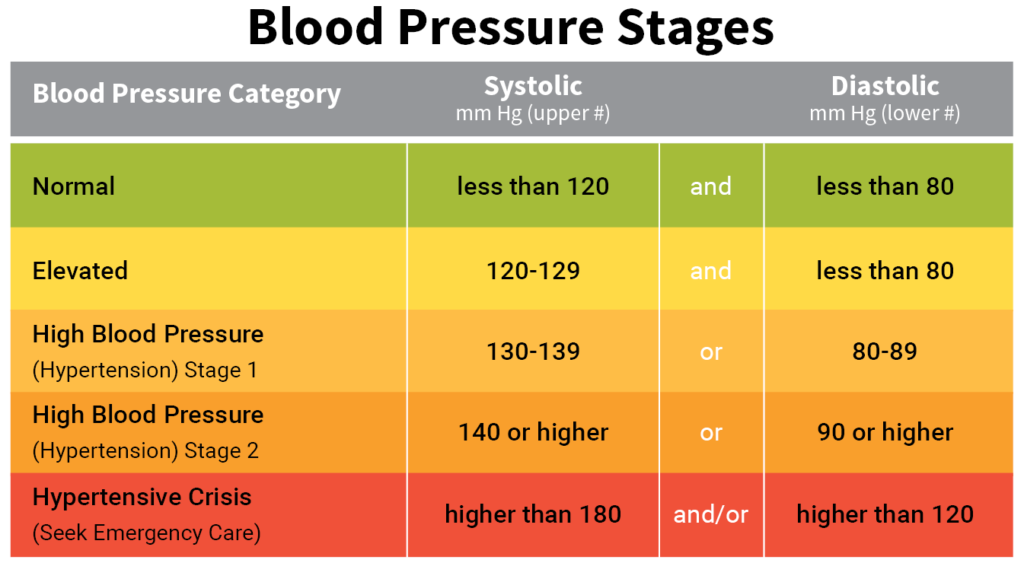
Typical blood pressure ranges include:
| Category | Blood Pressure Range |
|---|---|
| Normal | Below 120 / 80 |
| Elevated | 120–129 / Below 80 |
| High (Stage 1) | 130–139 / 80–89 |
| High (Stage 2) | 140 / 90 or higher |
| Hypertensive Crisis | 180 / 120 or higher |
When blood pressure reaches the crisis level, it can become a medical emergency.
The Highest Blood Pressure Ever Recorded
Now let’s talk about the main topic: highest blood pressure ever recorded.
Medical reports suggest that some of the most extreme blood pressure readings have gone above:
370 / 360 mmHg
These rare cases are usually seen in severe medical emergencies, often called a hypertensive crisis or malignant hypertension.
In such situations:
- Blood vessels are under extreme pressure
- Organs like the brain and heart are at risk
- Immediate medical care is required
Doctors rarely see numbers this high, but they can happen in extreme circumstances such as:
- Severe untreated hypertension
- Kidney disease
- Hormonal disorders
- Drug reactions
- Sudden stress or trauma
While these cases are rare, they show how important it is to monitor blood pressure regularly.
How Blood Pressure Is Measured


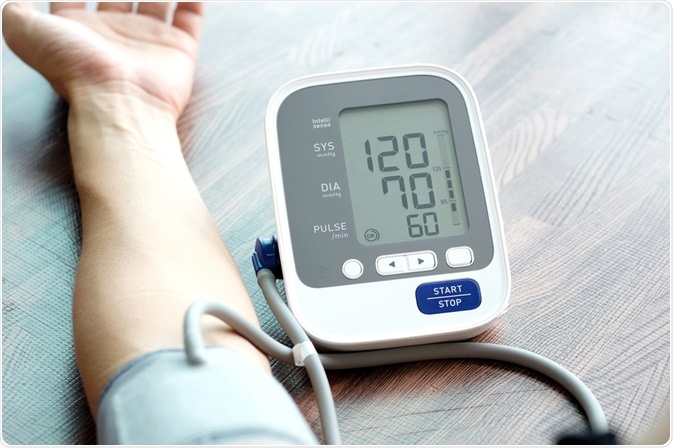
Blood pressure is measured using a device called a sphygmomanometer, commonly known as a blood pressure monitor.
These monitors work by:
- Wrapping a cuff around the arm
- Inflating the cuff to stop blood flow
- Slowly releasing air while measuring pressure changes
- Displaying systolic and diastolic numbers
Modern digital monitors make the process simple and fast. Doctors and patients both use them to track health.
Regular monitoring helps detect early warning signs before reaching dangerous levels like the highest blood pressure ever recorded.
Why Extremely High Blood Pressure Is Dangerous
When blood pressure becomes extremely high, it puts stress on the entire body.
Here’s why it’s dangerous:
Damage to the Heart
The heart must work harder to pump blood, which may lead to heart failure.
Risk of Stroke
High pressure can cause blood vessels in the brain to burst.
Kidney Problems
Kidneys filter blood. High pressure damages their delicate vessels.
Vision Loss
Tiny vessels in the eyes can be harmed.
Organ Failure
In extreme cases close to the highest blood pressure ever recorded, multiple organs may stop working.
That’s why doctors treat very high blood pressure as an emergency.
Signs of a Hypertensive Crisis
Sometimes, high blood pressure has no symptoms. That’s why it’s often called the silent killer.
However, extremely high readings may cause:
- Severe headache
- Chest pain
- Shortness of breath
- Nosebleeds
- Blurred vision
- Confusion
- Anxiety
If someone experiences these symptoms, they should seek medical help immediately.
Common Causes of Extremely High Blood Pressure
Many factors can push blood pressure to dangerous levels.
Here are some common causes:
Long-Term Untreated Hypertension
When high blood pressure is ignored for years.
Kidney Disease
Kidneys help control fluid and salt balance.
Hormonal Disorders
Conditions affecting adrenal glands can increase pressure.
Obesity
Extra body weight increases heart workload.
High Salt Diet
Too much sodium raises blood pressure.
Stress and Anxiety
Constant stress can slowly increase blood pressure.
Certain Medications
Some drugs may raise blood pressure unexpectedly.
Understanding these causes helps prevent situations that could lead to the highest blood pressure ever recorded.
Lifestyle Changes That Help Control Blood Pressure
The good news is that many people can lower their blood pressure naturally with simple lifestyle habits.
Healthy Eating
Focus on foods like:
- Fruits
- Vegetables
- Whole grains
- Lean proteins
Reduce Salt Intake
Too much salt raises blood pressure.
Exercise Regularly
Even 30 minutes of walking daily helps.
Maintain Healthy Weight
Weight loss can lower pressure quickly.
Manage Stress
Try meditation, deep breathing, or hobbies.
Quit Smoking
Smoking damages blood vessels.
Limit Alcohol
Too much alcohol increases blood pressure.
These habits can prevent people from reaching dangerous levels close to the highest blood pressure ever recorded.
How Doctors Treat Very High Blood Pressure
When blood pressure becomes dangerously high, doctors act quickly.
Treatment may include:
- Emergency medications
- Intravenous drugs
- Oxygen support
- Monitoring in hospital
- Treating the underlying cause
Doctors also check organs such as:
- Brain
- Heart
- Kidneys
- Eyes
This careful approach helps prevent long-term damage.
Who Is Most at Risk of Extreme Blood Pressure
Some groups are more likely to develop severe hypertension.
These include:
- Older adults
- People with diabetes
- Individuals with kidney disease
- Those with family history of hypertension
- People with high stress lifestyles
- Individuals who rarely check blood pressure
Knowing risk factors helps people act early.
Simple Tips to Monitor Your Blood Pressure at Home
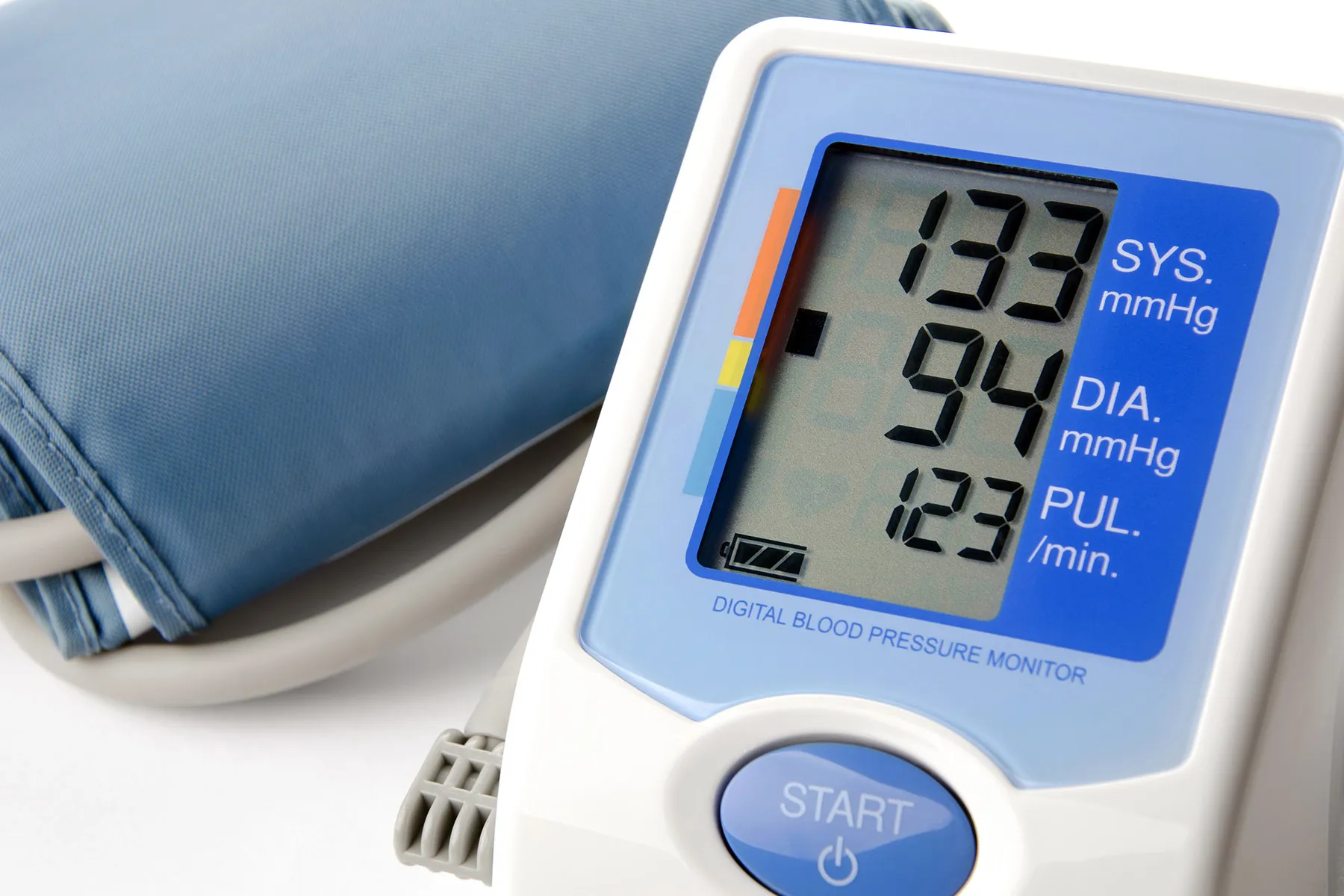

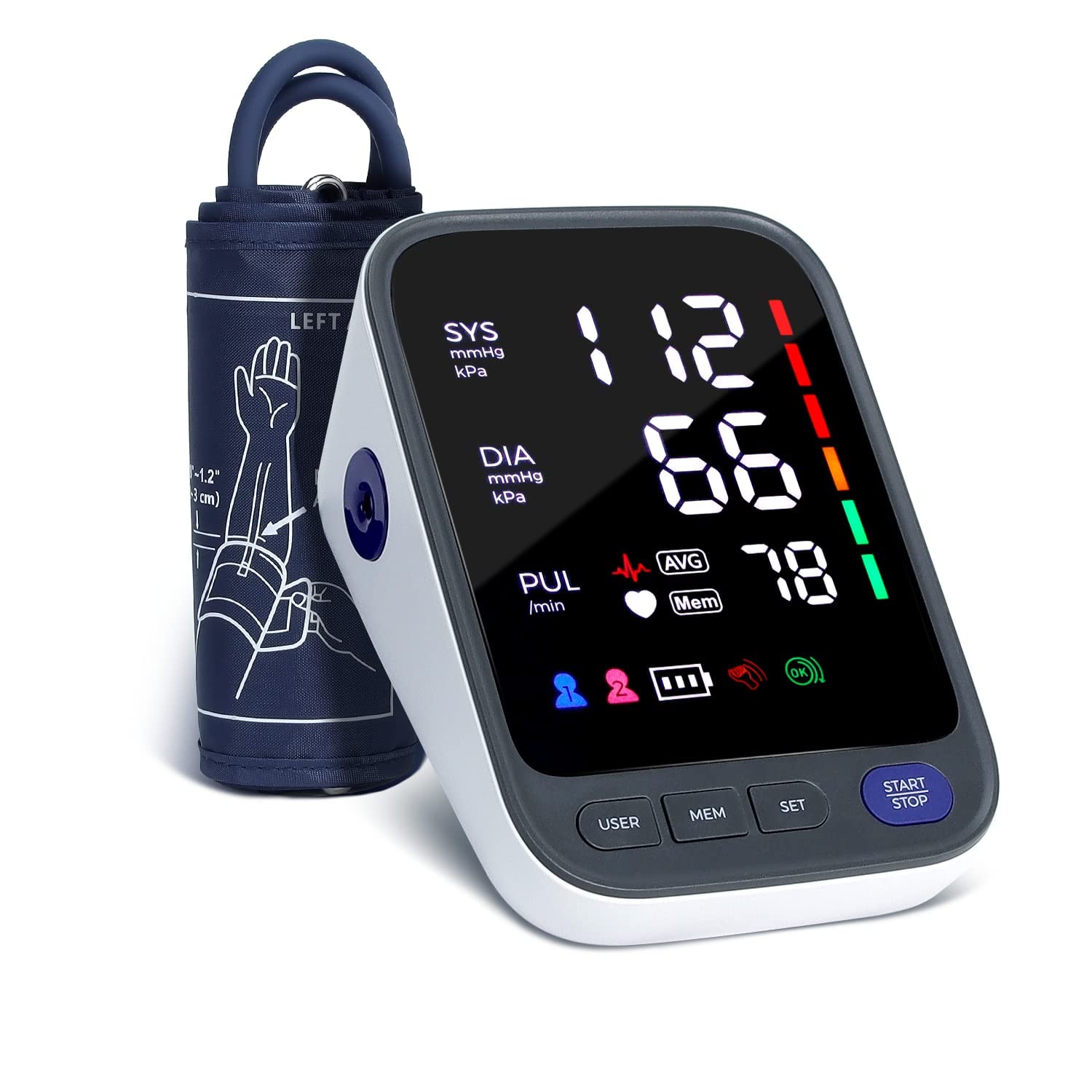
Monitoring at home is easier than ever.
Follow these tips:
- Measure at the same time daily
- Sit calmly for 5 minutes before measuring
- Keep your arm at heart level
- Avoid caffeine before testing
- Record your readings
Home monitoring can help catch rising pressure before it becomes dangerous like the highest blood pressure ever recorded.
Myths About Extremely High Blood Pressure
There are many misunderstandings about hypertension.
Let’s clear up some common myths.
Myth: High blood pressure always causes symptoms.
Truth: Many people feel normal even with high numbers.
Myth: Only older people get hypertension.
Truth: Young adults can also develop it.
Myth: Medication is always required.
Truth: Lifestyle changes can sometimes control it.
Myth: Stress alone causes the highest blood pressure ever recorded.
Truth: Usually, several medical factors are involved.
Understanding the truth helps people take the right steps for their health.
Long-Term Effects of Uncontrolled Blood Pressure
If high blood pressure stays untreated for years, it may lead to:
- Heart disease
- Stroke
- Kidney failure
- Memory problems
- Vision damage
- Blood vessel damage
That’s why regular check-ups are important.
Doctors often say: Prevention is better than emergency treatment.
FAQs About the Highest Blood Pressure Ever Recorded
What is considered dangerously high blood pressure?
Blood pressure above 180/120 mmHg is considered a hypertensive crisis and requires immediate medical attention.
What is the highest blood pressure ever recorded in medical history?
Some rare cases have recorded readings around 370/360 mmHg, though these are extremely unusual and occur during severe medical emergencies.
Can stress alone cause extremely high blood pressure?
Stress can increase blood pressure temporarily, but extreme readings usually involve other health conditions.
How often should people check their blood pressure?
Healthy adults should check at least once a year, while people with hypertension should check more frequently.
Can lifestyle changes reduce high blood pressure?
Yes. Diet, exercise, weight control, and stress management can significantly lower blood pressure.
Conclusion: Learning from the Highest Blood Pressure Ever Recorded
The story behind the highest blood pressure ever recorded teaches us an important lesson. Our bodies give signals long before a health crisis happens. When we ignore those signals, problems can grow quietly over time.
The good news? High blood pressure is one of the most manageable health conditions today. With modern medicine, better awareness, and healthier lifestyles, many people successfully control it.
So if there’s one takeaway from understanding the highest blood pressure ever recorded, it’s this:
Regular monitoring, healthy habits, and early treatment can protect your heart, brain, and overall health for years to come.