

Homemade dish soap is becoming very popular in homes around the world. Many people want a cleaner, safer, and more affordable way to wash dishes. Instead of buying chemical-filled products from the store, families are learning how to make Homemade dish soap using simple ingredients found in the kitchen.
In this detailed guide, you will learn everything about Homemade dish soap—what it is, why it is useful, how to make it, and how to use it safely. This article is written in easy Grade 7 English so everyone can understand it clearly. By the end, you will feel confident about making your own dish soap at home.
What Is Homemade dish soap?
Homemade dish soap is a cleaning liquid made at home using natural or simple ingredients. It is used to wash dishes, plates, glasses, and kitchen tools.
Unlike many store products, homemade versions usually contain fewer chemicals. People often make it using:
- Natural soap bases
- Water
- Vinegar
- Essential oils
- Natural thickening agents
Many families say making their own soap feels rewarding. It’s like cooking a simple recipe—you know exactly what goes inside.
Why More People Are Choosing Homemade dish soap
There are many reasons people prefer Homemade dish soap today. Some want to save money, while others want safer cleaning products.
Here are some common reasons:
Safer for the Home
Homemade soap usually avoids harsh chemicals found in some commercial cleaners.
Better for the Environment
Natural ingredients can reduce pollution and waste.
Budget Friendly
Making your own soap often costs less than buying expensive brands.
Customizable Scents
You can choose your favorite smell, like:
- Lemon
- Lavender
- Orange
- Peppermint
Simple Ingredients
Most recipes use ingredients you may already have.
In short, Homemade dish soap gives people control over what they use in their kitchens.
Homemade dish soap Ingredients You Will Need
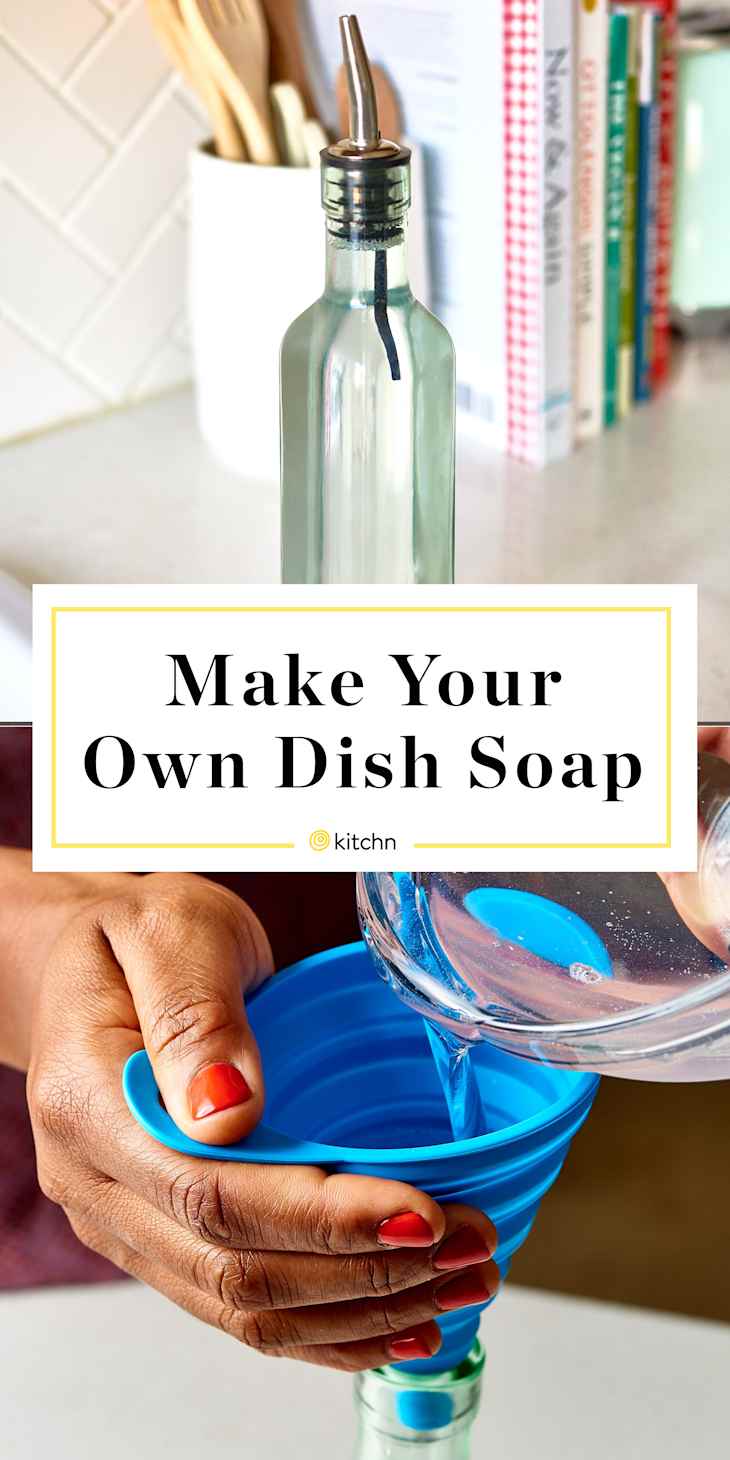
To make Homemade dish soap, you don’t need many ingredients. In fact, that’s what makes it so great.
Here are the most common ingredients:
- 1/4 cup natural soap base or grated bar soap
- 2 cups water
- 1–2 teaspoons white vinegar
- 1 teaspoon vegetable glycerin (optional)
- 5 drops lemon essential oil (optional)
What Each Ingredient Does
| Ingredient | Purpose | Benefit |
|---|---|---|
| Soap base | Main cleaning agent | Removes grease and dirt |
| Water | Dilutes the mixture | Makes liquid soap |
| Vinegar | Cuts grease | Natural cleaner |
| Glycerin | Thickens soap | Makes it smooth |
| Essential oils | Adds scent | Fresh smell |
These ingredients make Homemade dish soap both effective and gentle.
Easy Step-by-Step Method to Make Homemade dish soap
Making Homemade dish soap is easier than many people think. Follow these steps carefully.
Step One: Prepare the Soap
Cut or grate the soap bar into small pieces. Smaller pieces melt faster.
Step Two: Heat Water
Pour water into a pot and warm it on medium heat.
Step Three: Add Soap Pieces
Put the soap pieces into the warm water.
Step Four: Stir the Mixture
Keep stirring until the soap melts completely.
Important tip:
Do not let the mixture boil.
Step Five: Add Vinegar and Glycerin
Mix in vinegar and glycerin after removing the pot from heat.
Step Six: Add Essential Oils
Add a few drops of lemon or another essential oil.
Step Seven: Let It Cool
Allow the mixture to cool completely.
Step Eight: Pour Into a Bottle
Transfer your Homemad dish soap into a soap dispenser.
And voilà! Your soap is ready to use.
Important Tips for the Best Homemade dish soap Results
Making Homemade dish soap is simple, but a few expert tips can help you get better results.
Use Warm Water
Warm water helps dissolve grease faster.
Shake Before Use
Homemade soap may separate sometimes. A quick shake fixes it.
Use on a Sponge
Apply soap directly to a wet sponge instead of filling the sink.
Store Properly
Keep soap in a cool and dry place.
Start With Small Batches
Try a small batch first to see what works best.
These simple tricks can improve your Homemad dish soap experience.
Benefits of Homemade dish soap for Families
Many households notice several advantages after switching to Homemad dish soap.
Gentle on Hands
Natural ingredients are often kinder to skin.
Less Strong Smell
Store soaps sometimes smell too strong. Homemade ones are mild.
Reduces Plastic Waste
You can reuse the same bottle many times.
Teaches Useful Skills
Children can learn how cleaning products are made.
Encourages Healthy Living
Using safer products can improve home habits.
It’s not just about cleaning dishes—it’s about making smarter choices.
Common Mistakes When Making Homemade dish soap
Even though Homemad dish soap is easy to make, beginners sometimes make small mistakes.
Here are some to avoid:
- Boiling the mixture
- Adding too much vinegar
- Using too much essential oil
- Not mixing ingredients well
- Storing soap in dirty containers
If your soap becomes too thin, you can add a little glycerin to thicken it.
Learning from mistakes helps you master Homemad dish soap faster.
Homemade dish soap vs Store-Bought Dish Soap
Many people wonder if homemade soap works as well as commercial products. Let’s compare them.
| Feature | Homemade dish soap | Store-bought soap |
|---|---|---|
| Ingredients | Natural or simple | Often chemical-based |
| Cost | Usually cheaper | Can be expensive |
| Customization | Fully customizable | Limited options |
| Environmental impact | Lower | Higher |
| Suds (bubbles) | Less foam | More foam |
Important note:
More bubbles do not always mean better cleaning.
In fact, many effective soaps produce fewer suds
Ways to Improve Your Homemad dish soap
If you want to upgrade your Homemad dish soap, you can try a few improvements.
Add Baking Soda While Washing
Baking soda helps remove tough grease.
Use Citrus Oils
Citrus oils like lemon or orange cut oil faster.
Try Different Scents
Mix essential oils for unique fragrances.
Example combinations:
- Lemon + Lavender
- Orange + Mint
- Tea Tree + Lemon
Add Moisturizing Oils
You can add:
- Aloe vera
- Vitamin E oil
This helps protect your hands while washing dishes.
Safety Tips When Using Homemade dish soap
Safety is very important when making and using Homemad dish soap.
Follow these safety tips:
- Always test the soap on a small dish first
- Keep soap away from children while preparing
- Label your soap bottle
- Do not use it in a dishwasher unless the recipe allows it
- Avoid using too much essential oil
Simple precautions make your cleaning safer.
How Homemad dish soap Helps the Environment
Using Homemad dish soap is a small step that can help the planet.
Here’s how:
Less Plastic Waste
You can reuse containers instead of buying new bottles.
Fewer Chemicals in Water
Natural ingredients break down more easily.
Lower Manufacturing Impact
Homemade products reduce factory production needs.
Encourages Sustainable Living
People become more mindful about everyday choices.
Small changes like switching to Homemad dish soap can make a big difference.
Frequently Asked Questions About Homemad dish soap
Is Homemade dish soap effective for greasy dishes?
Yes, Homemade dish soap can remove grease effectively, especially when made with vinegar and citrus oils.
How long does Homemad dish soap last?
Most homemade soaps last several weeks to a few months if stored properly.
Can Homemad dish soap be used in a dishwasher?
Usually, Homemad dish soap is designed for hand washing dishes, not dishwashers.
Why does Homemad dish soap produce fewer bubbles?
Homemade soap often contains fewer foaming agents, but it can still clean well.
Can I change the scent of Homemad dish soap?
Yes, you can add essential oils like lemon, lavender, or orange.
Conclusion: Why Homemad dish soap Is Worth Trying
Homemad dish soap is a simple, safe, and smart choice for many households. It helps reduce chemical exposure, saves money, and supports a healthier environment. Best of all, it’s easy to make and customize according to your needs.
By following the steps and tips in this guide, you can confidently create your own Homemad dish soap at home. Once you start using it, you may find that it becomes a regular part of your kitchen routine.
In the end, switching to Homemad dish soap is not just about cleaning dishes—it’s about making thoughtful choices that benefit your home, your health, and the planet.